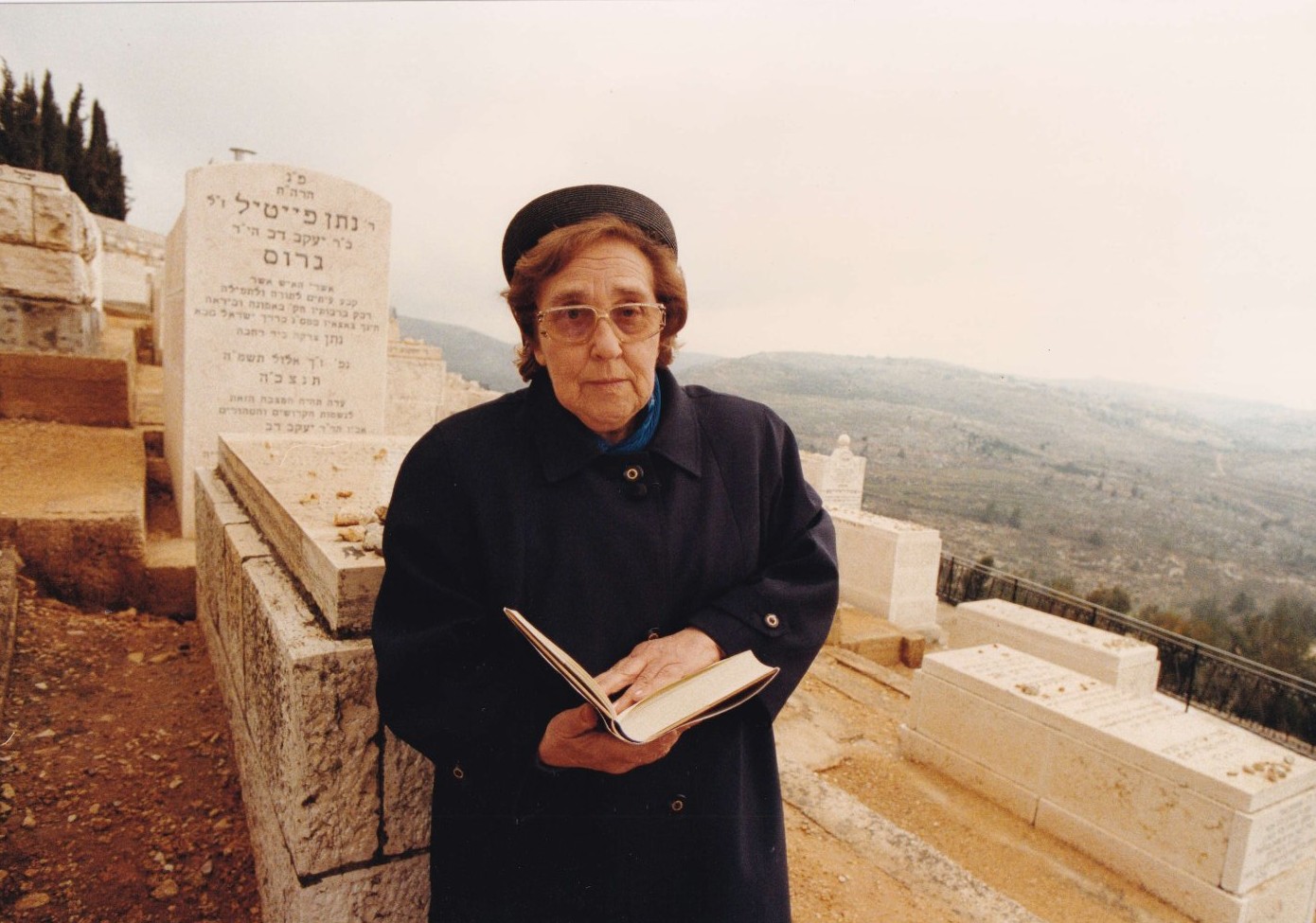
Encompassing 30 years of the Institute's activity, the Research Archive offers a comprehensive look at the scholarly work, public life, and international reach of its founder, Prof. Dr. Miriam Gillis-Carlebach. The bulk of the MGC Archive collection is housed at the CAHJP in Jerusalem. A significant portion of the research materials and media holdings is retained at the Carlebach Institute. The JCI Library provides also digital access to a growing selection of publications, textual materials, and photographs from our collection.
Explore archival records, personal memoirs, and scholarly research dedicated to preserving the history, heritage, and legacy of Hamburg's Jewish community and families.
Explore a digital library of over 250 books, articles, and interviews. Access full-text documents or curated essential selections online.
Tracing four generations of the Carlebach legacy, beginning with Rabbi Alexander S. Adler in 1829. Explore their profound rabbinic and cultural impact.
Established in 1992, the JCI is dedicated to preserving German-Jewish history and fostering scholarly research on religious thought.
Latest News
On 4 March 2026 a naming ceremony will be held in Petah Tikva for a new pathway (Mishol) dedicated to the memory of the Institute's founder, the late Prof. Dr. Miriam Gillis-Carlebach. This initiative was led by her family, with the full support of the Institute's director, Prof. Jacob Kohler, the staff, former students, and all those who cherish her memory and her profound contribution to society and historical research, both in Israel and abroad.
View InvitationCurrent projects
This significant archive features correspondence dating from 1955 to 1967 regarding the private library of the late Oberrabbiner Dr. Joseph Carlebach of Hamburg. The collection offers a unique window into the preservation of the Chief Rabbi's scholarly works and the complex efforts surrounding property restitution. The archive provides invaluable documentation of post-war efforts to recover and preserve Jewish intellectual heritage, including correspondence with international organizations, legal documents, and personal papers that illuminate the challenges of cultural recovery following World War II.
Original manuscripts, reflecting the cultural and religious practices of the 19th century Yeshiva scholar in Wuerzburg.
A collection of rabbinic certificates, Teudot Chaver, and intimate family notes.
Handwritten legal deliberations and rabbinic insights.
Sermons and liturgical commentaries, a deep exploration of Jewish theological thought and practice.